How to Support Your Local Owls' Behavior Needs
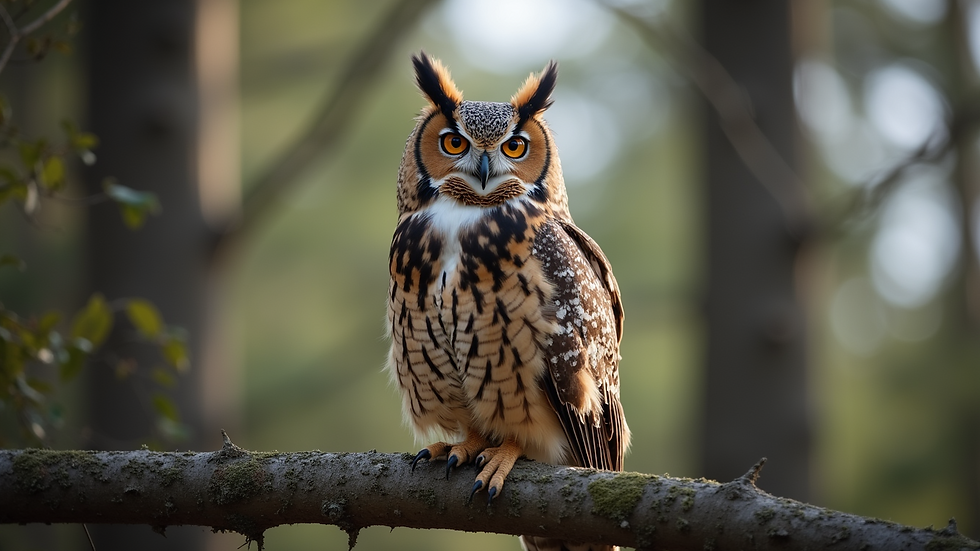
Owls are fascinating creatures that play a crucial role in our ecosystems. As nocturnal hunters, they help control rodent populations and maintain the balance of nature. However, their behavior needs can often be overlooked, especially in urban areas where their habitats are threatened. Supporting local owls is essential not only for their survival but also for the health of our environment. In this blog post, we will explore practical ways to support your local owls' behavior needs, ensuring they thrive in their natural habitats.

Understanding Owl Behavior
Before we dive into how to support owls, it's important to understand their behavior. Owls are solitary animals that prefer to hunt and roost alone. They are primarily nocturnal, meaning they are most active at night. Here are some key aspects of owl behavior:
Hunting Techniques: Owls have exceptional hearing and night vision, allowing them to hunt effectively in low light. They primarily feed on small mammals, birds, and insects.
Roosting Habits: During the day, owls roost in trees or other sheltered areas to rest and avoid predators. They often choose locations that provide cover and a good vantage point.
Territorial Nature: Owls are territorial and will defend their hunting grounds from other owls. This behavior is crucial for their survival, as it ensures they have enough food resources.
Understanding these behaviors will help you create an environment that supports their needs.
Creating a Suitable Habitat
One of the most effective ways to support local owls is by creating a suitable habitat for them. Here are some steps you can take:
Plant Native Trees and Shrubs
Owls prefer habitats with plenty of trees for roosting and hunting. Planting native trees and shrubs can provide essential cover and nesting sites. Consider the following:
Choose Native Species: Native plants are better suited to local wildlife and require less maintenance. They also attract other beneficial species, such as insects and small mammals, which can serve as food for owls.
Create Layers: A diverse landscape with varying heights of vegetation can provide shelter and hunting grounds for owls. Include tall trees, mid-level shrubs, and ground cover to create a layered habitat.
Provide Nesting Boxes
If natural nesting sites are scarce, consider installing owl nesting boxes. These can provide safe spaces for owls to raise their young. Here are some tips for creating effective nesting boxes:
Choose the Right Design: Different owl species have different nesting preferences. Research the species in your area and choose a box design that suits their needs.
Place Boxes Strategically: Install nesting boxes in quiet, sheltered areas away from human activity. Ensure they are high enough to avoid predators.
Reducing Disturbances
Owls are sensitive to disturbances in their environment. Here are some ways to minimize disruptions:
Limit Light Pollution
Excessive artificial light can disrupt the natural behaviors of owls. Here’s how you can help:
Use Motion-Sensor Lights: Instead of leaving outdoor lights on all night, consider using motion-sensor lights that only activate when needed.
Choose Warm Lighting: If you must use outdoor lighting, opt for warm-colored bulbs that are less disruptive to wildlife.
Keep Noise Levels Down
Loud noises can scare owls away from their habitats. Here are some strategies to reduce noise:
Limit Outdoor Activities at Night: Encourage quiet outdoor activities during the evening hours when owls are most active.
Use Sound Barriers: If you live near busy roads, consider planting trees or installing fences to help muffle noise.
Educating the Community
Raising awareness about the importance of owls can foster a community that supports their needs. Here are some ways to educate others:
Host Workshops and Events
Organize community events focused on owl conservation. Activities could include:
Nature Walks: Lead guided walks to observe local owls and discuss their behaviors and habitats.
Educational Talks: Invite experts to speak about owl conservation and the role of owls in the ecosystem.
Create Informational Materials
Develop brochures or flyers that provide information about local owls and how to support them. Distribute these materials in community centers, schools, and local businesses.
Supporting Local Wildlife Organizations
Many organizations work tirelessly to protect owls and their habitats. Here’s how you can support their efforts:
Volunteer Your Time
Consider volunteering with local wildlife organizations that focus on owl conservation. Opportunities may include:
Habitat Restoration Projects: Help restore natural habitats by planting trees or removing invasive species.
Educational Outreach: Assist in educational programs that teach the community about owls and their needs.
Donate to Conservation Efforts
Financial support can make a significant impact on conservation efforts. Consider donating to organizations that focus on owl research, rehabilitation, and habitat preservation.
Monitoring Owl Populations
Keeping track of local owl populations can help identify trends and potential threats. Here are some ways to get involved:
Participate in Citizen Science Projects
Many organizations offer citizen science programs that allow individuals to contribute to owl research. Activities may include:
Nest Monitoring: Help monitor nesting boxes and report findings to researchers.
Population Surveys: Participate in surveys to track owl populations in your area.
Report Sightings
If you spot an owl, report your sighting to local wildlife organizations. This information can help researchers understand owl distribution and behavior.
Conclusion
Supporting your local owls' behavior needs is essential for their survival and the health of our ecosystems. By creating suitable habitats, reducing disturbances, educating the community, and supporting conservation efforts, you can make a significant impact. Remember, every small action counts. Whether you plant a tree, install a nesting box, or simply spread awareness, you are contributing to the well-being of these magnificent creatures. Take the first step today and become an advocate for your local owls.

Comments