Understanding Owl Behavior: A Comprehensive Guide
Owls are fascinating creatures that have captured the imagination of many. With their mysterious nocturnal habits, unique physical features, and intriguing behaviors, they stand out in the avian world. In this comprehensive guide, we will explore various aspects of owl behavior, including their hunting techniques, social interactions, and the significance of their vocalizations. Whether you are a birdwatcher, a nature enthusiast, or simply curious about these remarkable birds, this post will provide valuable insights into the world of owls.

The Anatomy of an Owl
Before delving into their behavior, it is essential to understand what makes owls unique. Owls belong to the order Strigiformes, which includes over 200 species. Here are some key anatomical features that contribute to their behavior:
Facial Disc: The round facial disc helps to funnel sound to their ears, enhancing their hearing ability. This adaptation is crucial for hunting in low-light conditions.
Large Eyes: Owls have large, forward-facing eyes that provide excellent binocular vision. This allows them to judge distances accurately, which is vital for hunting.
Silent Flight: Their specialized wing feathers enable silent flight, allowing them to approach prey without being detected.
Hunting Techniques
Owls are primarily nocturnal hunters, and their hunting techniques are finely tuned for success. Here are some common strategies:
Ambush Hunting
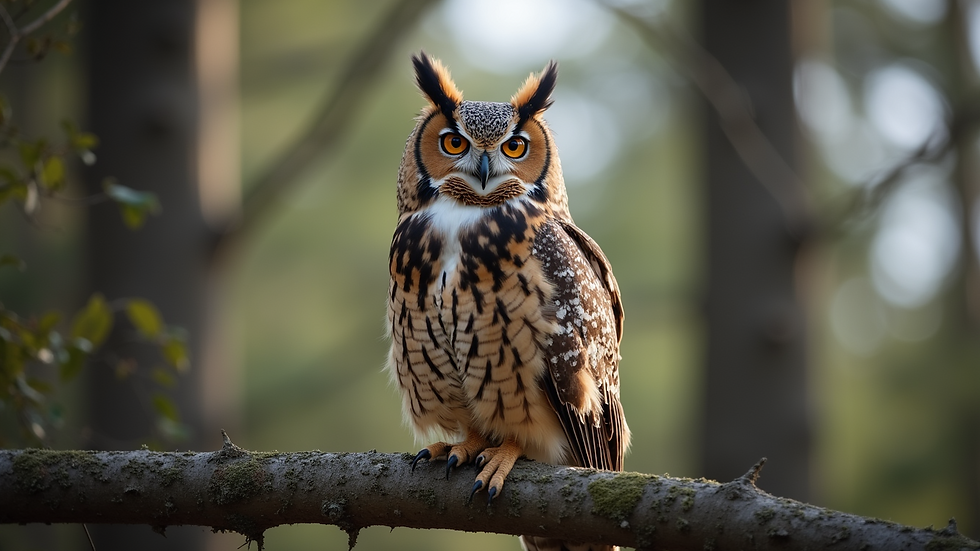
Many owls, such as the great horned owl, employ ambush tactics. They perch silently on a branch, scanning the ground for movement. Once they spot potential prey, they swoop down with incredible speed and precision.
Active Hunting
Some species, like the barn owl, actively hunt by flying low over fields and grasslands. They use their acute hearing to detect the sounds of small mammals, such as mice and voles, hidden in the grass.
Hunting in Pairs
Certain owl species, such as the eastern screech owl, may hunt in pairs. This cooperative behavior increases their chances of capturing prey, as one owl can flush out animals while the other waits to ambush.
Social Interactions
Owls are often perceived as solitary creatures, but they exhibit a range of social behaviors, especially during the breeding season.
Mating Rituals
During courtship, male owls perform elaborate displays to attract females. These displays may include vocalizations, aerial acrobatics, and presenting food. The male's ability to provide food is a crucial factor in attracting a mate.
Territorial Behavior
Owls are territorial and will defend their nesting sites vigorously. They use vocalizations to establish boundaries and warn intruders. The hooting of a male great horned owl, for example, can be heard over long distances and serves as a powerful deterrent to rivals.
Parental Care
Once eggs are laid, both parents often share the responsibility of incubating them and feeding the chicks. This cooperative parenting ensures that the young have the best chance of survival.
Vocalizations and Communication
Owls are known for their distinctive calls, which serve various purposes. Understanding these vocalizations can provide insights into their behavior.
Hooting
The classic "hoot" of an owl is often associated with the great horned owl. This call serves multiple functions, including marking territory and attracting a mate. Each species has its unique hoot, which can vary in pitch and rhythm.
Screeches and Whistles
Some owls, like the eastern screech owl, produce a range of sounds, including screeches and whistles. These vocalizations can indicate alarm, distress, or communication between mates.
Non-Vocal Communication
In addition to vocalizations, owls also communicate through body language. For example, an owl may puff up its feathers to appear larger when threatened or engage in bowing displays during courtship.
Adaptations to Environment
Owls have adapted to thrive in various environments, from dense forests to open grasslands. Their behavior often reflects these adaptations.
Nocturnal Lifestyle
Owls are primarily nocturnal, allowing them to avoid competition with diurnal birds of prey. Their excellent night vision and hearing enable them to hunt effectively in low-light conditions.
Camouflage
Many owls have plumage that blends seamlessly with their surroundings. This camouflage helps them avoid detection by both prey and potential predators. For instance, the mottled feathers of the eastern screech owl allow it to blend into tree bark.
Seasonal Behavior
Some owl species exhibit migratory behavior, while others remain resident year-round. For example, the snowy owl migrates south during the winter months in search of food, while the barred owl typically stays in its territory throughout the year.
Conservation Status
Understanding owl behavior is crucial for their conservation. Many owl species face threats from habitat loss, climate change, and human activities. Here are some key points regarding their conservation:
Habitat Preservation
Protecting natural habitats is essential for the survival of owls. Conservation efforts focus on preserving forests, wetlands, and grasslands where owls thrive.
Education and Awareness
Raising awareness about the importance of owls in ecosystems can help garner support for conservation initiatives. Educational programs can inform the public about the role of owls in controlling rodent populations and maintaining ecological balance.
Research and Monitoring
Ongoing research is vital for understanding owl populations and their behaviors. Monitoring programs help track population trends and identify threats, allowing for targeted conservation efforts.
Conclusion
Owls are remarkable creatures with complex behaviors that reflect their adaptations to the environment. From their hunting techniques to their social interactions, understanding owl behavior provides valuable insights into their lives. As we continue to learn about these fascinating birds, it is essential to support conservation efforts to ensure their survival for future generations. By appreciating and protecting owls, we contribute to the health of our ecosystems and the beauty of the natural world.
Whether you are observing owls in your backyard or exploring their habitats in the wild, take a moment to appreciate the intricacies of their behavior and the vital role they play in our environment.

Comments