Top 5 Common Owl Behaviors Explained
Owls are fascinating creatures that have captured the imagination of many. Their nocturnal habits, unique calls, and silent flight make them stand out in the avian world. Understanding their behaviors not only enriches our knowledge of these birds but also enhances our appreciation for the natural world. In this post, we will explore the top five common owl behaviors, shedding light on what makes these birds so intriguing.
1. Nocturnal Hunting
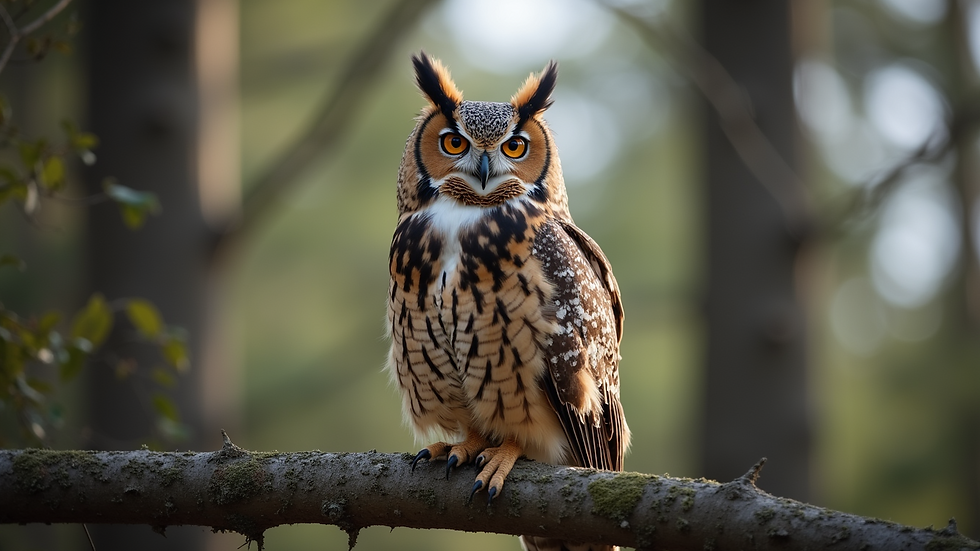
One of the most defining characteristics of owls is their nocturnal hunting behavior. Unlike many birds that are active during the day, owls have adapted to hunt at night. This behavior is primarily due to their unique physiology:
Enhanced Vision: Owls possess large eyes that allow them to see well in low light conditions. Their eyes are designed to gather as much light as possible, which is crucial for spotting prey in the dark.
Silent Flight: The structure of an owl's feathers enables silent flight. The leading edges of their wing feathers are serrated, which helps to muffle the sound of air rushing over their wings. This stealth allows them to approach prey without being detected.
Owls primarily hunt small mammals, birds, and insects. For example, the great horned owl often preys on rabbits and rodents, using its keen eyesight and hearing to locate them in the dark.
2. Unique Vocalizations
Owls are known for their distinctive calls, which serve various purposes. Each species has its own unique vocalizations, which can be categorized into several types:
Mating Calls: During the breeding season, male owls often call out to attract females. These calls can vary in pitch and duration, depending on the species.
Territorial Calls: Owls use vocalizations to establish and defend their territory. A loud hoot can signal to other owls that a particular area is occupied.
Communication: Owls also communicate with their young through softer calls, which can indicate hunger or the need for attention.
For instance, the barred owl is known for its "who cooks for you?" call, which is often heard in wooded areas during the night.
3. Nesting and Parenting
Owls exhibit interesting nesting behaviors that vary by species. Most owls do not build their own nests; instead, they often use abandoned nests of other birds or natural cavities. Here are some key aspects of their nesting and parenting behaviors:
Egg Laying: Female owls typically lay between one to five eggs, depending on the species. The eggs are usually white and are laid in a hidden location to protect them from predators.
Incubation: The female is primarily responsible for incubating the eggs, while the male provides food. This division of labor ensures that the eggs are kept warm and safe.
Raising Young: Once the eggs hatch, both parents are involved in feeding and protecting the chicks. Young owls, known as owlets, are initially helpless and rely on their parents for survival.
For example, the eastern screech owl often nests in tree cavities and is known for its attentive parenting, ensuring that the young are well-fed and safe from harm.
4. Camouflage and Hunting Techniques
Owls are masters of camouflage, which plays a crucial role in their hunting strategy. Their plumage often resembles the bark of trees or the surrounding environment, making them difficult to spot. Here’s how camouflage aids in their survival:
Blending In: The mottled feathers of many owl species help them blend seamlessly into their surroundings. This adaptation allows them to remain hidden from both predators and prey.
Ambush Hunting: By remaining still and camouflaged, owls can ambush unsuspecting prey. They often perch quietly on a branch, waiting for the right moment to swoop down.
The barn owl, for instance, has a light-colored, speckled plumage that helps it blend into the fields and grasslands where it hunts.
5. Social Behavior
While many people perceive owls as solitary creatures, some species exhibit social behaviors, especially during the breeding season or in areas with abundant food. Here are some examples of social behaviors in owls:
Group Hunting: Certain species, like the burrowing owl, may hunt in small groups, which can increase their success rate in capturing prey.
Communal Roosting: Some owls gather in groups to roost during the day, especially in winter. This behavior can provide warmth and safety in numbers.
The great horned owl, while primarily solitary, may be seen in pairs during the breeding season, showcasing a temporary social bond.
Conclusion
Owls are remarkable birds with a range of fascinating behaviors that contribute to their survival and success as predators. From their nocturnal hunting techniques to their unique vocalizations and parenting styles, each behavior plays a vital role in their life cycle. Understanding these behaviors not only deepens our appreciation for owls but also highlights the intricate balance of nature.
Next time you hear an owl hooting in the night or spot one perched silently in a tree, take a moment to reflect on the incredible adaptations that allow these birds to thrive in their environment. Whether you are a birdwatcher, a nature enthusiast, or simply curious about wildlife, the world of owls offers endless intrigue and wonder.


Comments